
Stop Guessing, Start Knowing — The Only Jewelry Buying Guide You’ll Ever Need May 13, 2026 – Posted in: Blog – Tags: jewelry stores in Palm Desert, Palm Springs Jewelry Stores
Buying jewelry is one of the most personal purchases you’ll ever make. Whether it’s an engagement ring that seals a lifelong promise, a birthday gift for someone you love, or a treat-yourself moment you’ve been putting off — the pressure to “get it right” is real. Yet most people walk into a store with very little knowledge of what to look for, and walk out either overwhelmed or, worse, overpaying for something that doesn’t hold its value.
This guide is here to change that. By the time you finish reading, you’ll know exactly what questions to ask, what to watch out for, and how to find a piece that’s truly worth every penny. And if you happen to be visiting or living in the Coachella Valley, you’ll also understand why so many people skip the guesswork and head straight to El Paseo Jewelers — one of the most trusted jewelry stores in Palm Desert — to get it done right.
Step 1 — Know the 4 Cs Before You Walk into Any Store
If you’re buying a diamond, the 4 Cs are non-negotiable knowledge. Here’s what they mean in plain language:
- Cut — This is the most important C. A diamond’s cut determines how much it sparkles. A poorly cut diamond will look dull even if it’s clear. Always prioritize cut above everything else.
- Color — Diamonds are graded from D (colorless) to Z (light yellow). For most buyers, the sweet spot is between G and I — near-colorless to the naked eye but significantly more affordable than D–F grades.
- Clarity — This refers to internal flaws called inclusions. A grade of VS1 or VS2 (very slightly included) gives you an eye-clean diamond without the premium price of a flawless stone.
- Carat — This is the weight of the diamond, which people often confuse with size. A well-cut 0.9 carat diamond can actually appear larger than a poorly cut 1.0 carat stone. Don’t chase carat weight blindly.
Step 2 — Natural Diamond vs. Lab Diamond: What Nobody Tells You
This is the conversation every jewelry buyer should have — but rarely does before purchase.
- Natural diamonds are formed deep within the earth over billions of years. No two are identical. They hold long-term resale value and possess a rarity cherished for centuries.
- Lab-grown diamonds are chemically identical but mass-produced. Their prices have dropped dramatically in recent years – meaning their resale value has also dropped sharply.
- The emotional difference is real. A natural diamond is a geological miracle. That story matters to many buyers, especially for milestone pieces like engagement rings.
At El Paseo Jewelers, we specialize exclusively in natural, ethically sourced diamonds – because we believe the pieces you treasure most deserve the real thing.
Step 3 — Choose the Right Metal for Your Lifestyle
The gemstone gets all the attention, but the metal setting is what holds everything together — literally.
- Platinum – The most durable and hypoallergenic option. Naturally white and dense, it’s ideal for everyday rings but comes at a higher price.
- White Gold – A popular and more affordable alternative to platinum. It’s rhodium-plated for a bright finish but may need replating every few years.
- Yellow Gold – Classic, warm, and timeless. It’s making a strong comeback and pairs beautifully with vintage-style settings.
- Rose Gold – Romantic and trendy. Its pinkish tone comes from a copper alloy mix, making it slightly more durable than yellow gold.
Pro tip: Match the metal to the wearer’s existing jewelry. If they always wear silver-toned accessories, go with white gold or platinum.
Step 4 — 5 Red Flags to Watch Out For at Any Jewelry Store
Not all jewelry stores operate with the same level of integrity. Here’s how to protect yourself:
- No written appraisal offered – A reputable store will always provide documentation of what you’re buying.
- Pressure to decide immediately – High-pressure sales tactics are a classic sign that the store doesn’t rely on repeat customers or referrals.
- Vague answers about diamond origin – If a salesperson can’t tell you where the diamond came from or whether it’s certified, walk away.
- No repair or resize services on-site – A store with no in-house jeweler is just a retailer. A true jewelry store has skilled craftspeople who stand behind what they sell.
- No return or exchange policy – Fine jewelry purchases should always come with a clear, fair policy.
Step 5 — When to Consider Custom Jewelry Design
Sometimes the perfect piece simply doesn’t exist off the shelf — and that’s where custom design becomes a game-changer.
Consider going custom when:
- You have a specific vision that you haven’t found anywhere
- You want to incorporate a family heirloom stone into a new setting
- You’re proposing and want a ring as unique as your relationship
- You want full control over the budget without compromising on quality
At El Paseo Jewelers, our on-site jeweler works closely with you from the first sketch to the final polish. You’re not just buying jewelry — you’re creating a story.
Why Palm Desert Residents & Visitors Choose El Paseo Jewelers
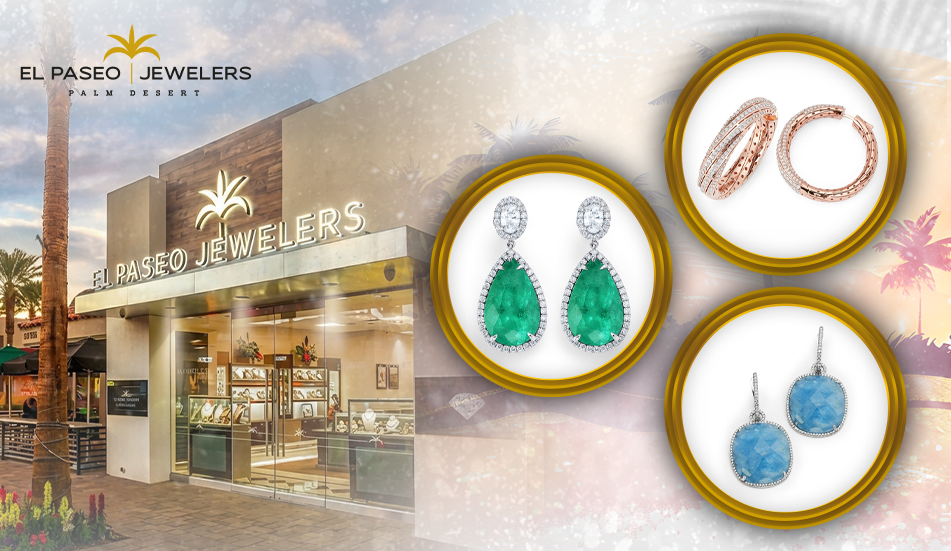
Located at 73520 El Paseo, Suite E, on Palm Desert’s famous El Paseo Drive — often called the “Rodeo Drive of the Desert” — El Paseo Jewelers has served the Coachella Valley since 1998. Here’s what keeps customers coming back:
- Over 25 years of trusted expertise in fine jewelry
- The largest selection of natural diamonds in the desert
- Full-service in-house jeweler for custom design, sizing & repairs
- Professional appraisals for insurance and estate purposes
- Fair gold buying with transparent, no-pressure pricing
- An exclusive Jewel Club with member rewards and benefits
FAQs:
Q1. How do I know if a diamond is certified and authentic?
Ans: Always ask for a grading report from a recognized gemological laboratory such as GIA (Gemological Institute of America) or AGS. A certified diamond comes with a detailed report confirming its 4 Cs. At El Paseo Jewelers, we are fully transparent about every diamond we sell and happy to walk you through any certification.
Q2. Is it better to buy a bigger diamond or a better-quality diamond?
Ans: Quality almost always wins. A smaller diamond with an excellent cut, good color, and high clarity will outshine a larger stone with poor proportions. We always recommend prioritizing cut first — it’s the single biggest factor in how beautiful a diamond looks in person.
Q3. Can I bring in my old jewelry to be redesigned into something new?
Ans: Absolutely. This is one of our most popular services. Whether you have an heirloom piece, an outdated setting, or gold you no longer wear, our custom design team can transform it into something meaningful and modern. It’s a beautiful way to honor the past while creating something new.
Q4. How often should I get my jewelry professionally inspected?
Ans: We recommend a professional inspection at least once a year, especially for pieces worn daily, like engagement rings. A jeweler will check prong integrity, stone security, and overall condition — catching small issues before they become costly problems. El Paseo Jewelers offers professional consultations and appraisals right here in Palm Desert.
Conclusion
Great jewelry isn’t bought on impulse — it’s chosen with intention. When you understand the 4 Cs, know the difference between natural and lab diamonds, recognize red flags, and find a jeweler who genuinely guides rather than sells, the whole experience transforms. You stop feeling overwhelmed and start feeling confident.
That confidence is exactly what we aim to give every single customer who walks through our doors. Whether you’re a first-time buyer or a lifelong jewelry lover, El Paseo Jewelers is here to make sure you leave with something you’ll treasure forever — and the knowledge to back up every choice you made.
Visit us at 73520 El Paseo, Suite E, Palm Desert — and discover why, when it comes to jewelry stores in Palm Desert, experience, integrity, and brilliance all live at the same address.